Climate-Specific Fencing: How to Choose the Best Fence for Your Area Mar 14, 2026
Before diving into the nitty-gritty of fence types, it's important to understand why climate-specific fencing matters. Choosing the right fence for your area not only enhances the aesthetic appeal of your property but also provides functionality, durability, and optimal performance. Installing a fence that withstands local weather conditions can save you money on maintenance and replacements, ensuring that your investment is protected.
Let's start by examining fencing options suited for dry and arid climates. In these areas, choosing materials that can handle extreme temperatures and minimal moisture is crucial. Metal fencing, such as aluminum or wrought iron, is an excellent choice as it resists warping and cracking under intense sun exposure. Metal also requires less maintenance compared to wood, making it a cost-effective solution in dry climates.
For regions with heavy rainfall and high humidity, wooden fences may not be the most viable option, as they are susceptible to rot and mildew. In such climates, consider vinyl fencing, which is highly resistant to moisture damage. Vinyl offers an appealing and versatile option, as it is available in various styles and can withstand fluctuating weather conditions without degrading over time.
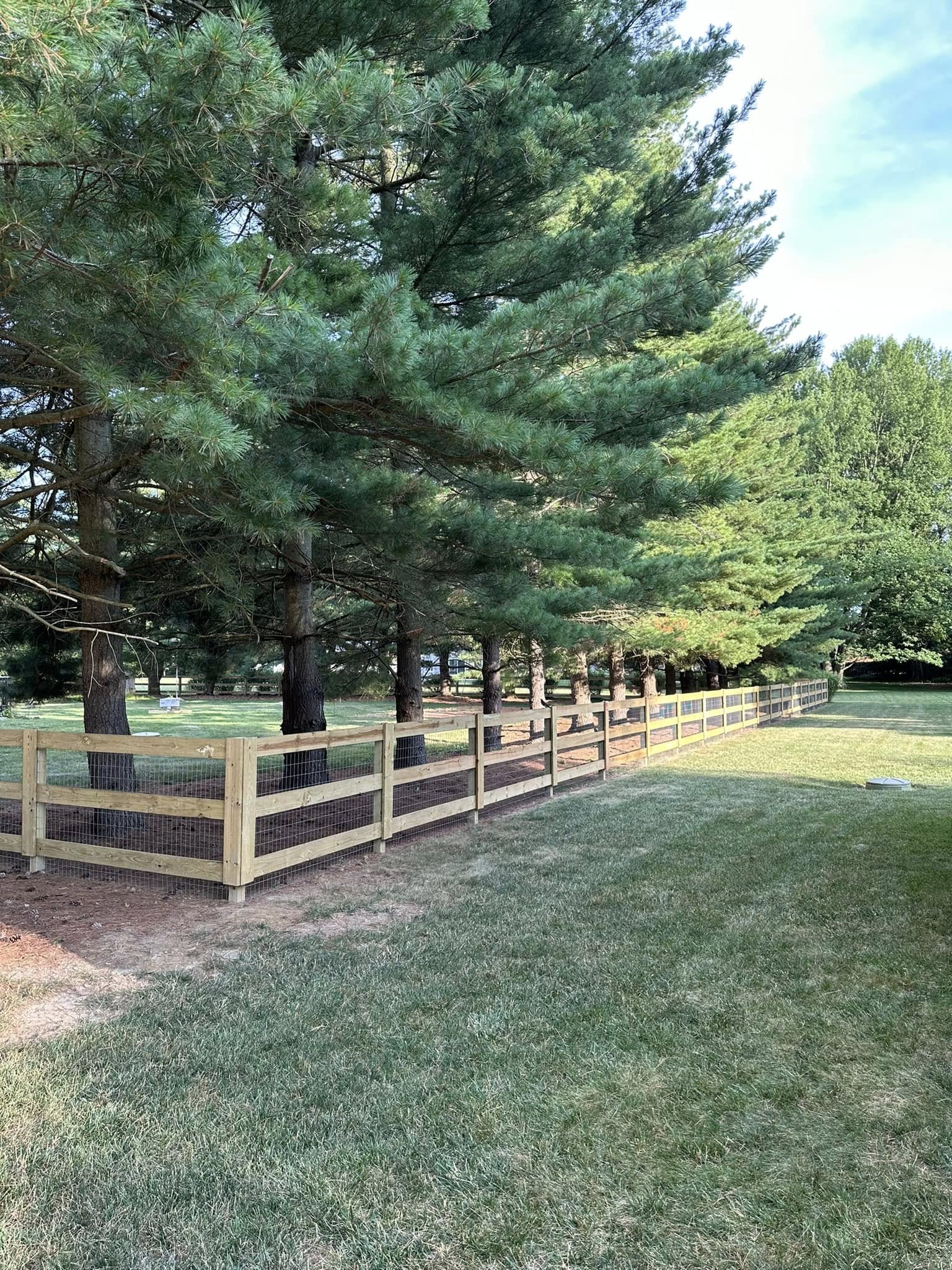
Homeowners in windy areas face the challenge of selecting a fence that can endure strong gusts. Semi-solid designs, like shadowbox fences, are an excellent choice as they allow wind to pass through, reducing pressure on the structure. Additionally, using pressure-treated wood or composite materials can ensure the fence remains intact even in harsh winds, providing both durability and protection.
For those living in colder climates with frequent frost and snow, it is imperative to opt for materials that remain strong despite freezing temperatures. Chain link fences are particularly effective as they do not suffer warping or cracking due to cold weather. Furthermore, chain link fences can be easily reinforced with additional wire or privacy slats for increased security and privacy without compromising their robustness against the cold.
Urban areas or regions needing added security benefit from solid fences made of durable materials like stone or steel. These fences not only deter trespassers but also serve as sound barriers in high-traffic areas. Investing in a durable and secure fence enhances your property's safety and increases its value.
Ultimately, choosing the ideal fence relies on understanding the unique demands of your climate and selecting a material that accommodates these needs. Consulting with a local fencing expert, like TMP Fence, can guide you through the decision-making process, ensuring your fence complements both the environment and your specific requirements.
In conclusion, selecting a climate-specific fence is essential for ensuring the longevity and functionality of your fencing investment. By considering the local weather conditions and choosing materials and designs accordingly, you will maximize your fence's efficacy and lifespan. Whether you reside in a desert, a humid tropical zone, or a chilly northern region, there is a perfect fence option for your property. Reach out to TMP Fence to explore tailored fencing solutions that best suit your geographic and personal needs.
/filters:no_upscale()/filters:format(webp)/media/0ffe29d9-ae6d-4ec0-8518-c11166224ab0.png)